Atreya Ayurveda Wellness
An Ayurvedic Panchakarma & Naturopathy Hospital
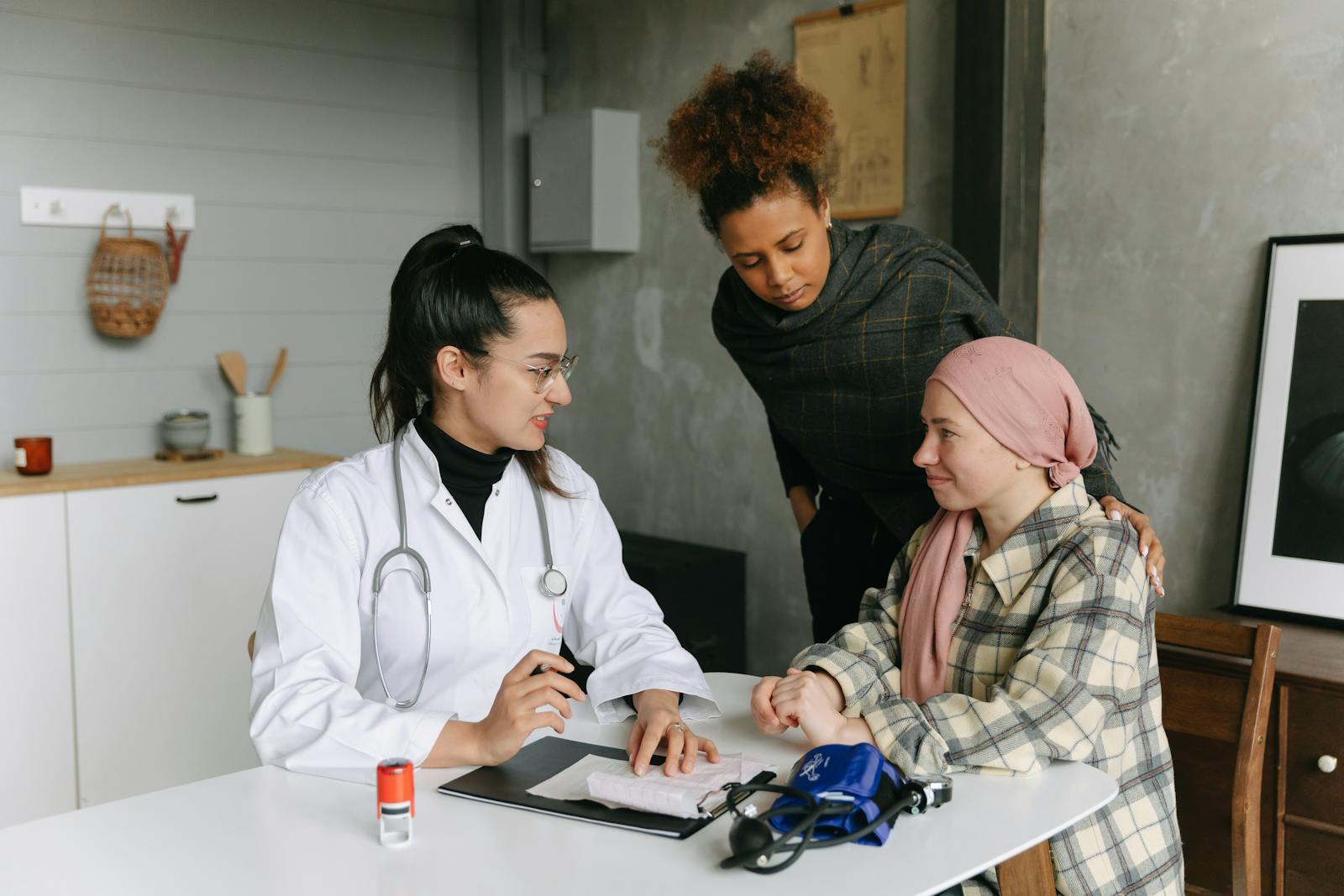
Classical Ayurveda approaches neurological health under the classical framework of Vatavyadhi and Majjavaha Srotas. Through physician-administered Shirodhara, classical Nasya (direct cranial lipid therapy), and Shashtika Shali Pinda Sweda, our hospital protocols restore neuro-muscular vitality, motor coordination, and nervous system tranquility.
In classical Ayurveda, neurological disorders are categorized under Vatavyadhi (including Pakshaghata for hemiplegia/stroke, Ardita for facial palsy, and Kampavata for involuntary tremors). These conditions manifest when aggravated Vata enters the subtle channels of the nervous system (Majjavaha Srotas), depleting natural cellular lubrication (Sneha) and impeding the smooth conduction of nerve impulses and prana.
Classical Ayurvedic texts emphasize that aggravated Vata in nerve tissues demands deep, sustained unctuous nourishment (Snehana and Swedana). By instilling lipid-soluble medicated oils through Nasya ('the direct gateway to the head') and pouring soothing streams of oil (Shirodhara), cranial centers receive direct nourishment, while medicinal rice-milk poultices (Shashtika Shali) revitalize peripheral musculature.
Nasal administration of lipid-soluble medicated herbal oils (Ksheerabala 101, Mahamash Taila) that bypass the gastrointestinal tract and blood-brain barrier to directly nourish cerebral cortex tissue, coupled with continuous rhythmic Shirodhara to soothe the autonomic nervous system, induce regenerative alpha brainwaves, and normalize intracranial pressure.
Massaging affected limbs with warm boluses of medicinal red rice cooked in herbal milk decoctions (Shashtika Shali Pinda Sweda) to arrest muscular atrophy, melt spastic contractures, and restore local blood flow, accompanied by classical medicated oil pouring (Pizhichil) to revitalize peripheral nerve endings.
Internal administration of high-potency classical formulations: standardized Ashwagandha, Brahmi (Bacopa monnieri), Shankhpushpi, Jyotishmati (Celastrus paniculatus for memory and synaptic firing), Yogendra Ras, and Brihat Vata Chintamani Ras under strict clinical doctor supervision.
Doctor-guided physical motor rehabilitation including parallel bar gait training, fine motor hand therapy, balance board exercises, and high-oxygenation neuro-pranayama (Bhramari and Anulom-Vilom) to stimulate contralateral neural mapping and restore patient functional independence.
Noticeable reduction in muscle stiffness, spasticity, and involuntary tremors. Cessation of chronic migraine cycles, resolution of sleep disturbances, and initial return of finger/toe sensory awareness.
Measurable improvement in active limb movement, return of voluntary grip strength, improved facial symmetry in Bell's palsy, improved speech clarity, and unassisted sitting balance.
Safe unassisted walking with improved gait biomechanics, restored ability to perform activities of daily living (ADLs), permanent reversal of neuropathy pain, and sustained neurological stamina.
Doctor-supervised hospital admission for patients requiring intensive therapeutic Panchakarma, round-the-clock nursing, daily physician rounds, and condition-specific medicinal Satvik nutrition.
Physical pulse consultation at our Ghaziabad campus or high-definition telemedicine consultation for distant patients unable to travel immediately.
“After a mild paralytic stroke affecting my right side, recovery felt daunting. A 30-day inpatient stay at Atreya with Pizhichil and Basti restored my arm grip and allowed me to walk unassisted.”Mr. Harish Chandra, 64 • Noida • Neurological Care & Rehabilitation Care • Atreya Ayurvedic Hospital
Share MRI Brain / Spine scans and current neurological discharge summaries for an immediate specialist review.
Complete this brief medical form. Our Senior Vaidya Medical Board will review your case and reach out within 2 hours.
Thank you, . Your details have been transmitted to our Senior Medical Care Board. A physician coordinator will contact you at within 2 hours.