
Atreya Ayurveda Wellness
An Ayurvedic Panchakarma & Naturopathy Hospital
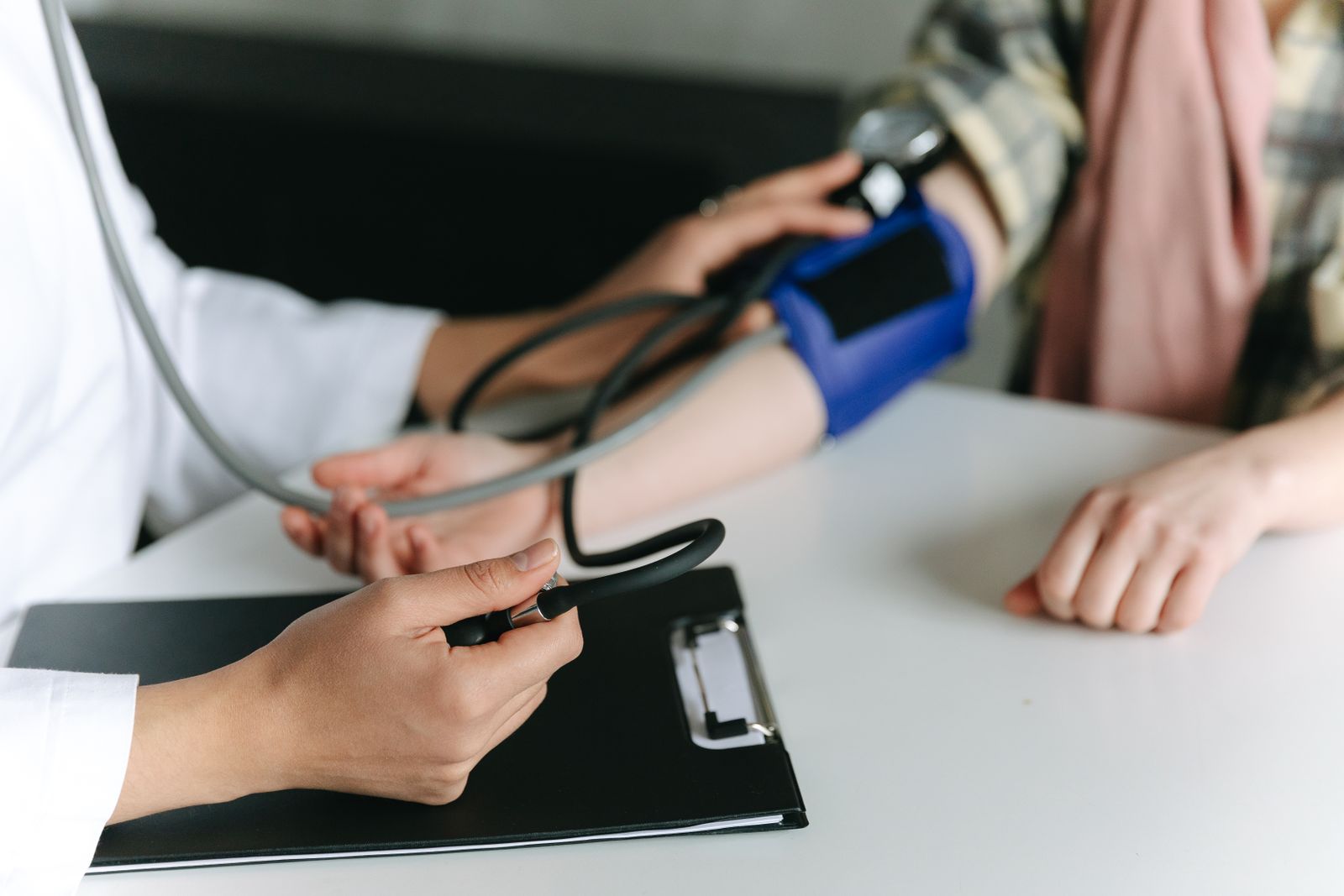
Classical Ayurveda approaches renal health through Mutravaha Srotas rejuvenation, metabolic equilibrium, and cellular tissue protection. Our structured hospital care combines classical Basti, nephro-protective Rasayana botanicals, and gentle cutaneous therapies to support filtration, vitality, and cellular nourishment under continuous physician observation.
In classical Ayurveda, renal conditions are understood as disturbances of Vata and Pitta doshas affecting the Mutravaha Srotas (urinary micro-channels) and Vrikka (kidneys). When impaired digestive and tissue fire (Agnimandya) generates metabolic endotoxins (Ama), channel obstruction (Srotorodha) develops, impairing the downward movement of Apana Vata and placing biological stress on renal filtration.
Classical Ayurvedic texts recommend a structured two-fold protocol: first, clearing channel obstruction through gentle Deepana (fire-kindling) and Lekhana (scraping) dravyas; second, administering nephro-protective Rasayana botanicals (Punarnava, Gokshura, Varuna) to rebuild cellular strength. Simultaneously, calibrated Swedana mobilizes the skin's vast microvascular network as an auxiliary eliminative channel to soothe renal tissue stress naturally.
Targeted medicated decoction enemas (Niruha & Anuvasana Basti with Dashamoola and Varunadi) to facilitate gentle metabolic clearance via the colon, paired with physician-supervised mild herbal steam and hyperthermal therapy to encourage cutaneous perspiration and soothe renal microcirculation.
Precision administration of physician-prescribed classical compounds: Punarnavadi Kashayam, Gokshuradi Guggulu, Varunadi Kwath, Chandraprabha Vati, and purified Boerhavia diffusa extracts documented in Ayurvedic pharmacopoeia for their nephro-protective and tissue-strengthening properties.
Freshly prepared meals from our hospital medicinal kitchen designed under Ayurvedic dietary guidelines (Pathya-Apathya). Balanced low-potassium, low-phosphorus, Satvik preparations featuring seasonal gourd broths, boiled moong water, and gentle digestive spices tailored to each patient's digestive capacity (Agni).
Doctor-guided restorative postures and calming Anulom-Vilom and Sheetali pranayama to optimize tissue oxygenation, reduce sympathetic autonomic stress, and cultivate internal physical calm without exerting cardiovascular strain.
Noticeable reduction in peripheral edema and facial puffiness, stabilization of blood pressure, increase in spontaneous 24-hour urine output, and reduction in blood urea nitrogen.
Measurable downward trend in serum creatinine, reduction in urinary protein leakage (microalbuminuria), and doctor-monitored extension of intervals between dialysis sessions for advanced cases.
Sustained preservation of remaining nephrons, stabilization of kidney parameters, protection against dialysis escalation, restored appetite, and transition to a structured home-maintenance protocol.
Doctor-supervised hospital admission for patients requiring intensive therapeutic Panchakarma, round-the-clock nursing, daily physician rounds, and condition-specific medicinal Satvik nutrition.
Physical pulse consultation at our Ghaziabad campus or high-definition telemedicine consultation for distant patients unable to travel immediately.
“My creatinine levels had reached 4.2 and I was experiencing severe fatigue and fluid retention. After 90 days of structured in-patient and outpatient care at Atreya, my creatinine stabilized down to 1.9.”Mr. Suresh Mehta, 58 • Delhi NCR • Kidney Disease & Renal Health Care • Atreya Ayurvedic Hospital
Share your Kidney Function Test (KFT), Serum Creatinine, and Urine Routine reports for a direct medical evaluation by our Senior Doctors.
Complete this brief medical form. Our Senior Vaidya Medical Board will review your case and reach out within 2 hours.
Thank you, . Your details have been transmitted to our Senior Medical Care Board. A physician coordinator will contact you at within 2 hours.